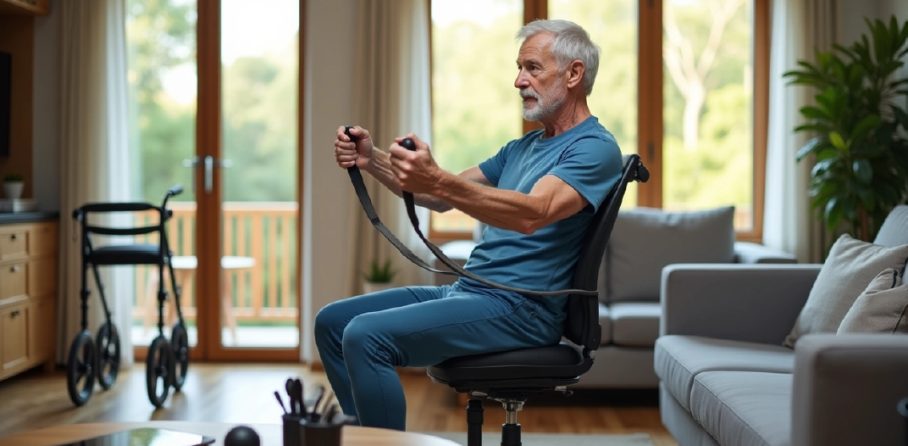
Inclusion body myositis (IBM) is a progressive muscle condition that most often affects men over the age of 50, though women can also develop it. It belongs to a group of disorders known as myositis, which cause chronic muscle inflammation and weakness. While IBM is considered one of the more complex forms of myositis, a growing body of research and clinical experience shows that individuals can take meaningful steps to preserve function and maintain independence.
Advances in therapy and exercise science are offering new tools for managing IBM more effectively. Targeted rehabilitation approaches, including specialized resistance training programs, have shown promise in helping individuals maintain muscle strength and mobility over time. With the right strategies and support, many people with IBM continue to stay engaged in daily life and adapt with confidence.
This guide shares practical, evidence-based ways to live well with inclusion body myositis. You’ll learn how to recognize early symptoms, assemble a knowledgeable care team, explore therapy options, and use daily living tools that support both physical and emotional well-being. While life with IBM presents real challenges, education, planning, and support can empower individuals to remain active participants in their care and their lives.
Spotting early signs of inclusion body myositis can be challenging because it develops so gradually. Unlike other conditions that come on suddenly, IBM sneaks up slowly over months or years. Many people brush off these early symptoms as just normal aging.
Subtle symptoms that are easy to miss
Early symptoms of inclusion body myositis (IBM) often go unnoticed. Many patients identify frequent tripping or falls as their first recognizable sign, while others experience a gradual decline in grip strength that affects everyday tasks such as:
These subtle changes often begin on just one side of the body, making them even more difficult to recognize as a medical issue. Muscle weakness may first affect the legs and feet, or it may start in the arms, wrists, and fingers[1]. This variability helps explain why many individuals live with symptoms for years before receiving an accurate diagnosis. Research shows that, on average, it takes approximately 5.2 years from the onset of symptoms to diagnosis[4].
When to seek medical advice
You should speak with a healthcare provider if muscle weakness begins to interfere with everyday activities. Early evaluation is especially important because inclusion body myositis is often mistaken for other neuromuscular conditions. Watch for the following warning signs:
These symptoms deserve medical attention, especially in adults over the age of 50. Because IBM is a rare condition, studies show it is misdiagnosed in approximately 52% of cases[4]. Seeking care from a myositis specialist, rather than relying solely on a general physician, can significantly shorten the time to an accurate diagnosis and appropriate management.
How symptoms progress over time
IBM moves slowly but steadily. At first, many patients may notice their leg muscles getting weak near the body's center, making it hard to stand up from chairs[6]. Later, muscles farther from the trunk start getting weaker too.
The muscles that IBM hits hardest include:
Inclusion body myositis (IBM) often presents asymmetrically, with one side of the body affected more than the other, a feature that can help distinguish it from other muscle disorders. Research has also identified differences in how IBM affects certain populations. Studies suggest that women tend to retain greater strength in finger flexors and knee extensors compared to men, while Black patients may experience more pronounced weakness in the arms, hips, and knees.
Most people eventually need help getting around, but the timeline varies a lot. Research shows it takes anywhere from 6 to 16 years after diagnosis before someone needs a mobility device[4]. This unpredictable timeline makes it crucial to spot symptoms early and take action to stay independent as long as possible.
Building the right medical team is essential for effectively managing inclusion body myositis. Because IBM is a rare condition, finding healthcare providers with specific experience can be challenging. However, accurate diagnosis and appropriate treatment depend on working with clinicians who understand the disease.
Finding inclusion body myositis specialists
Many doctors will never see a myositis case in their careers, which makes specialized knowledge scarce. Here are several ways to find qualified specialists:
The best access to physicians experienced in rare conditions such as inclusion body myositis is often found at major medical centers and university teaching hospitals[8]. These institutions are closely connected to medical schools and research programs, which allows clinicians to stay current with the latest diagnostic methods and treatment approaches.
Several dedicated Myositis Research and Clinical Centers operate across the United States. Johns Hopkins Myositis Center, University of Pittsburgh Myositis Center, and Mayo Clinic in Rochester are great examples. These centers give specialized care specifically for myositis patients.
Local specialists might be hard to find, but professional organizations can help. The American College of Rheumatology, American Academy of Neurology, and American Academy of Dermatology maintain searchable specialist databases. The Muscular Dystrophy Association also runs clinics nationwide that might help with IBM.
Your insurance company might cover travel expenses if you need to see distant specialists. Just be ready to show that you've looked locally and prove the specialist's credentials[7].
The role of neurologists and rheumatologists
Neurologists and rheumatologists both play important roles in the care of inclusion body myositis, each bringing a different area of expertise. Neurologists often take the lead in managing IBM because of its significant impact on the neuromuscular system. They are trained to evaluate patterns of muscle weakness and to perform or interpret key diagnostic tests such as electromyography, or EMG.
Rheumatologists usually handle other types of myositis such as dermatomyositis and polymyositis[8]. Many IBM patients see rheumatologists first because of the condition's inflammatory nature, then get referred to neurology.
The diagnostic process needs a careful review of clinical symptoms, auto-antibody analysis, and detailed muscle biopsy results[9]. These specialists often work together because the process is complex.
Why a multidisciplinary team matters
IBM affects many body systems, so team-based care works best. One clinical model shows this well: "We do everything possible to schedule multiple appointments for the same day so it's convenient for the patient"[10]. This approach cuts down on travel and helps treatments work better.
A complete IBM care team usually has:
The care team may expand based on an individual’s symptoms. Pulmonologists can address breathing concerns, cardiologists manage heart related issues, and gastroenterologists help with more advanced swallowing difficulties. In some clinics, a rheumatologist serves as the central coordinator of care, integrating the contributions of multiple specialists and sharing responsibility for treatment decisions.
Team-based care offers a more complete approach to inclusion body myositis management. Research shows that coordinated care is associated with more accurate diagnoses, earlier treatment, improved patient satisfaction through better communication, and greater access to clinical research opportunities. Multidisciplinary clinics also support better coordination of medical care, consolidation of medical knowledge, and continued development of clinical skills among providers.
There is currently no treatment that can stop the progression of inclusion body myositis. However, several therapy-based approaches can help individuals maintain independence and function for a longer period of time. These therapies form the foundation of comprehensive IBM care.
Inclusion body myositis physical therapy goals
Physical therapy is the lifeblood of IBM management. Research shows it's the only proven way to slow down muscle weakness[12]. Working with a professional to create a custom exercise plan helps preserve muscle strength and movement. The old belief that exercise could make muscle inflammation worse has been proven wrong. Studies show that the right exercise programs are safe for IBM patients[13].
The primary goals of therapy are to maintain strength in unaffected muscles while protecting those that are already weakened. Improving balance helps reduce the risk of falls, while cardiovascular exercise supports overall endurance and stamina. Research shows that individuals with inclusion body myositis benefit most from light to moderate resistance training performed consistently.
Occupational therapy for daily tasks
As inclusion body myositis progresses, occupational therapy becomes increasingly important. Occupational therapists focus on practical strategies that help individuals manage activities of daily living, or ADLs. They teach adaptive techniques for everyday living tasks such as dressing, eating, and personal care as hand strength and arm function decline[5].
Preventing falls is a vital part of occupational therapy. Weak thigh muscles or foot drop cause many IBM patients to fall often. Therapists might suggest light braces that support weak muscles.
Speech therapy for swallowing and communication
About half of IBM patients have trouble swallowing, which makes speech therapy necessary. Speech therapists check how well patients swallow and teach techniques like tucking the chin[15]. They might suggest thicker liquids or soft foods when needed.
Some patients need more advanced treatments when basic approaches don't work. These include stretching the esophagus with balloons or surgery for ongoing problems. IVIG treatment helps some patients, but the effects only last 2-3 months[14].
Alternative therapies: massage, acupuncture, and more
Some individuals with inclusion body myositis may find additional relief through complementary therapies used alongside standard treatment. Massage therapy is one option that may offer benefits, although research specific to IBM remains limited. Studies in related neuromuscular and inflammatory conditions suggest that massage can help reduce pain, support recovery, and potentially decrease secondary injury and nerve sensitivity by influencing inflammatory processes.
Diet changes could also make a difference. One patient's story shows major improvements after following a modified ketogenic diet. Their pain went away and swallowing got better after a year[16]. All the same, we need more research on alternative treatments before making solid recommendations and a physician should always be consulted prior to making any dietary changes.
People with inclusion body myositis need to adapt their living environment and daily tools thoughtfully. The right assistive devices become vital for safety and independence as muscles get weaker.
Mobility aids: canes, walkers, and wheelchairs
Falls pose a serious risk to IBM patients. Studies show that 98% of people with IBM had fallen in the previous year, and this number reached 100% for those over 65[17]. Different mobility aids help at various stages of the condition. A single-point cane supports about 25% of body weight. Axillary or forearm crutches support approximately 50%, while wheeled walkers support more than 50%[18].
Most patients start with a cane or walker and later switch to powered mobility. Rollators are a better choice than standard walkers because they provide stability and include a built-in seat for rest. Wheelchairs, either manual or electric, become essential to stay independent when walking becomes unsafe even with help.
Home modifications that help
Smart home modifications can significantly improve both safety and daily function for people living with inclusion body myositis. The bathroom often requires the most immediate updates, including:
Additional modifications throughout the home can further reduce fall risk and conserve energy. Heated outdoor pathways help prevent winter falls by melting snow and ice. Kitchen counters and appliances set at seated or scooter height allow for safer meal preparation while seated. Stair lifts can connect multiple levels of the home and eliminate the need for unsafe stair climbing.
Assistive tools for dressing, eating, and hygiene
Simple adaptive tools can make a meaningful difference in daily independence for people with inclusion body myositis. Items such as long shoehorns and elastic towel modifications can help compensate for reduced grip strength during dressing. Adapted utensils and bottle or jar openers support safer and more efficient eating by addressing hand weakness during meals[19]. Wall-mounted soap dispensers and raised electrical outlets might make personal care easier.
For individuals with hand weakness, wearable assistive technology such as Carbonhand can provide targeted support. Carbonhand is a soft robotic glove designed to assist grip strength during functional activities like eating, grooming, carrying objects, holding mobility aids, and performing household tasks. By augmenting remaining hand function rather than replacing it, this type of device can help individuals stay independent and engaged in daily activities for a longer period of time and reduce fatigue during repeated tasks.
Technology and apps for support
Technology provides additional support options for people with inclusion body myositis. Emergency call buttons worn around the neck or wrist can improve safety after a fall. Smartphones, tablets, and voice activated software assist with communication, reminders, and everyday tasks. Fall detection systems and sensor based technology can alert caregivers when help is needed[20].
Together, these tools and adaptations help individuals with inclusion body myositis maintain independence and safety for a longer period of time.
Living with inclusion body myositis brings psychological challenges that can be just as hard as the physical symptoms. A good quality of life depends on taking care of both your mind and body as the condition progresses.
Managing stress and emotional health
Receiving a diagnosis of inclusion body myositis can be emotionally challenging and may lead to feelings of grief, depression, or anxiety. Seeking support from a mental health professional is a positive and proactive step, not a sign of weakness. Psychologists and psychiatrists can help individuals develop effective strategies for coping with emotional stress and adjusting to life with a chronic condition.
Digital tools can also provide accessible support. Mindfulness and meditation apps such as Headspace and Calm are widely used to promote relaxation, emotional regulation, and self-awareness. Many individuals with IBM also benefit from Mindfulness Based Stress Reduction programs designed specifically for people living with chronic health conditions.
Staying socially connected
Living with a rare condition such as inclusion body myositis can feel isolating, but many support options are available. Organizations like The Myositis Association offer monthly support groups with participants from around the world, including smaller discussion rooms focused on specific diagnoses. Other support groups connect individuals around shared experiences beyond myositis alone, such as caregiving, chronic illness, or disability.
Patients frequently describe these groups as deeply meaningful, sharing that being part of a community helps them feel less alone and provides a safe space to openly discuss challenges, emotions, and frustrations with others who truly understand.
Nutrition tips for muscle health
Adequate protein intake is essential for muscle health, making nutrition an important part of managing inclusion body myositis. Protein supports muscle maintenance and repair and can be obtained from a variety of sources, including:
An anti-inflammatory eating pattern may also provide added benefits. Foods such as fruits, vegetables, whole grains, and fatty fish rich in omega 3 fatty acids may help reduce inflammation. In a small study, individuals who followed this type of diet demonstrated improved grip strength, greater ease with daily activities, and lower levels of depressive symptoms[22].
Setting realistic goals and routines
Maintaining independence is a central goal for many people living with inclusion body myositis. One individual who has lived with IBM for many years advises, “Continue your normal routine and do the things you love or need to do for as long as possible”[23].
Regular physical activity, combined with mentally engaging activities such as reading, taking classes, or continuing meaningful work, can have a positive impact on overall well-being. Many individuals also find purpose through helping others, even while adapting to physical limitations. Life with inclusion body myositis often improves through thoughtful adaptation and persistence, rather than giving up valued activities.
Inclusion body myositis presents significant challenges for individuals and their families. This progressive condition benefits from early recognition and care guided by clinicians with appropriate expertise. People who experience the best outcomes are often those who build a comprehensive care team that includes neurologists, rheumatologists, and rehabilitation specialists who collaborate closely.
Physical therapy plays a central role in IBM management by helping individuals preserve muscle function through carefully designed exercise programs. Occupational and speech therapy provide essential strategies for adapting to changing abilities and become increasingly important as hand strength declines or swallowing difficulties develop.
With the right combination of mobility aids, home modifications, and adaptive tools, many individuals remain independent longer than they initially expect. Simple changes, such as bathroom safety equipment or modified kitchen tools, can significantly improve safety and self reliance in daily activities.
Emotional well-being deserves the same attention as physical care. Support groups help reduce isolation by connecting individuals with others who share similar experiences. Stress management strategies and mental health support can ease the psychological impact of living with a progressive condition. Nutrition also plays an important role by supporting muscle health and complementing other management approaches.
Individuals who set realistic goals and maintain consistent routines often preserve independence and quality of life more effectively. While inclusion body myositis may change how daily tasks are performed, it does not have to define a person’s life. Through adaptation, persistence, and strong support systems, many people continue to lead meaningful and engaged lives while managing IBM.
Living with inclusion body myositis requires proactive management and adaptation, but patients can maintain independence and quality of life with the right strategies and support systems.
With proper medical care, therapeutic interventions, and adaptive strategies, IBM patients can successfully navigate their condition while preserving dignity and independence for years after diagnosis.
[1][2] - https://my.clevelandclinic.org/health/diseases/15700-inclusion-body-myositis
[3] - https://www.myositis.org/about-myositis/types-of-myositis/inclusion-body-myositis/
[4]- https://www.myositis.org/myositis-library/live-discussions/discussion/integrating-complementary-approaches-in-treating-myositis/
[5] - https://www.hopkinsmedicine.org/health/conditions-and-diseases/inclusion-body-myositis
[6] - https://cureibm.org/inclusion-body-myositis-patrick-warners-accessible-home/
[7] - https://understandingmyositis.org/tips-to-find-doctors/
[8] - https://www.myositis.org/patient-support/find-doctor/
[9] - https://pmc.ncbi.nlm.nih.gov/articles/PMC6004913/
[10]- https://wexnermedical.osu.edu/departments/innovations/rheumatology/simplifying-care-for-a-complex-disease-like-myositis
[11] - https://pmc.ncbi.nlm.nih.gov/articles/PMC10149065/
[12] - https://pmc.ncbi.nlm.nih.gov/articles/PMC4590682/
[13]- https://www.myositis.org/about-myositis/treatment-disease-management/exercise-physical-therapy/
[14] - https://pmc.ncbi.nlm.nih.gov/articles/PMC6901064/
[15] - https://cureibm.org/treatment/swallowing/
[16] - https://www.frontiersin.org/journals/neurology/articles/10.3389/fneur.2020.582402/full
[17] - https://myositis.org.au/resources/mobility-aids/
[18]- https://journals.lww.com/ijru/fulltext/2020/15002/assistive_devices__regaining_mobility_in_myositis.13.aspx
[19] - https://understandingmyositis.org/docs/IBM-Best-Practices-Living-with-IBM.pdf
[20] - https://www.fortunamobility.com/IBM-help
[21] - https://www.hss.edu/departments/social-work-programs/myositis-support
[22]- https://www.myositis.org/wp-content/uploads/2018/07/Nutrition-and-Myositis-Peterson.pdf
[23] - https://www.myositis.org/blog/ten-tips-for-living-with-ibm/